
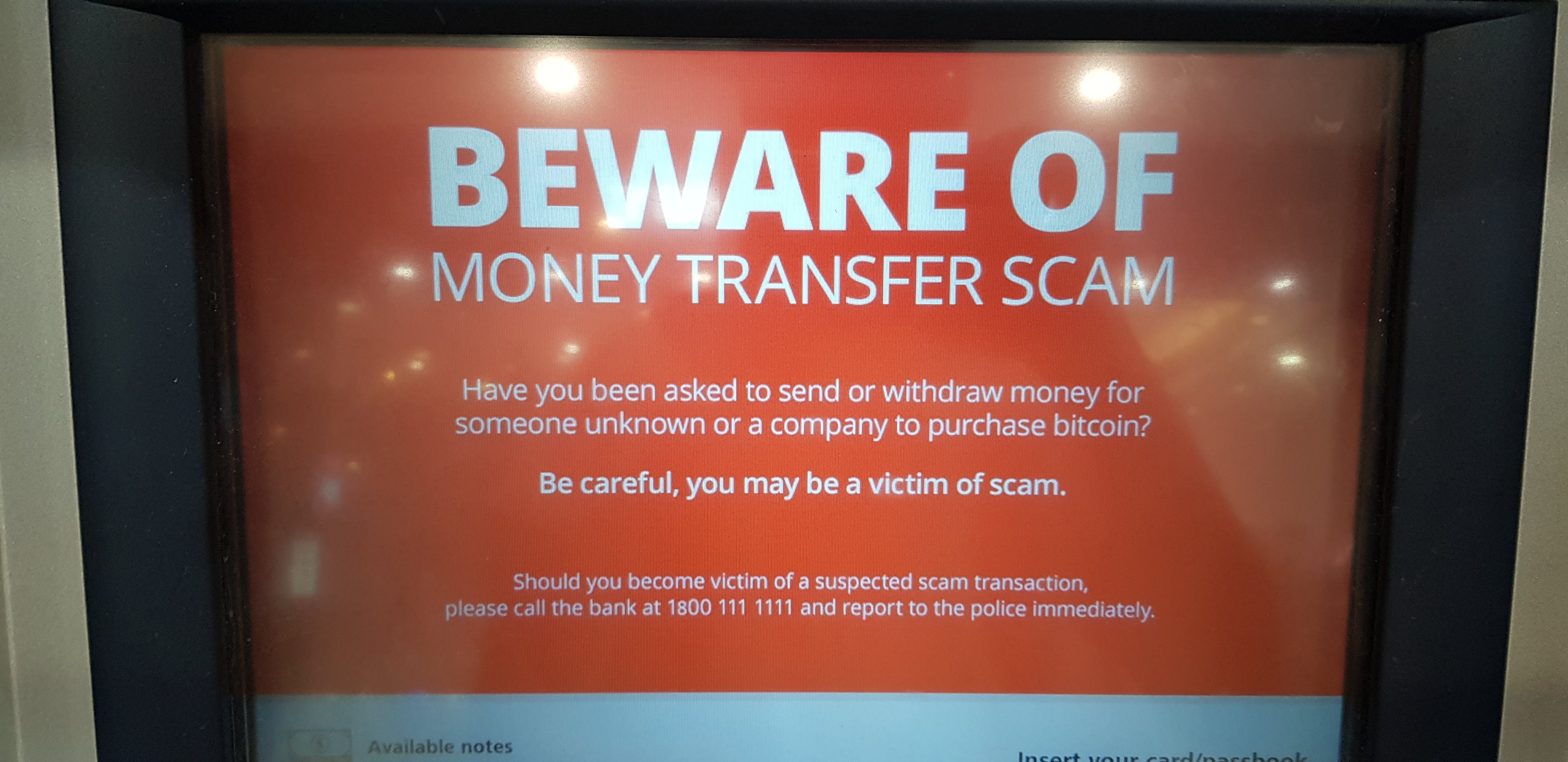
Money transfer scam? Bitcoin scam?
If you lived in Singapore, chances are you would have seen this message on the home screen of your ATM machine, warning you of money transfer scams involving Bitcoin.
While I appreciate that the banks are protecting their customers from falling prey to scams, I can’t help but feel irritated that the message does not reflect a positive note about Bitcoin.
Scams happen due to a lack of familiarity and understanding of Bitcoin. We need a greater push from trusted source to educate people about many wonders of Bitcoin and what this network of currency represents.
Only with better understanding and ease of information, we can protect people from getting cheated in scams involving cryptocurrency or Bitcoin.
So is Bitcoin a scam?
What is Bitcoin?
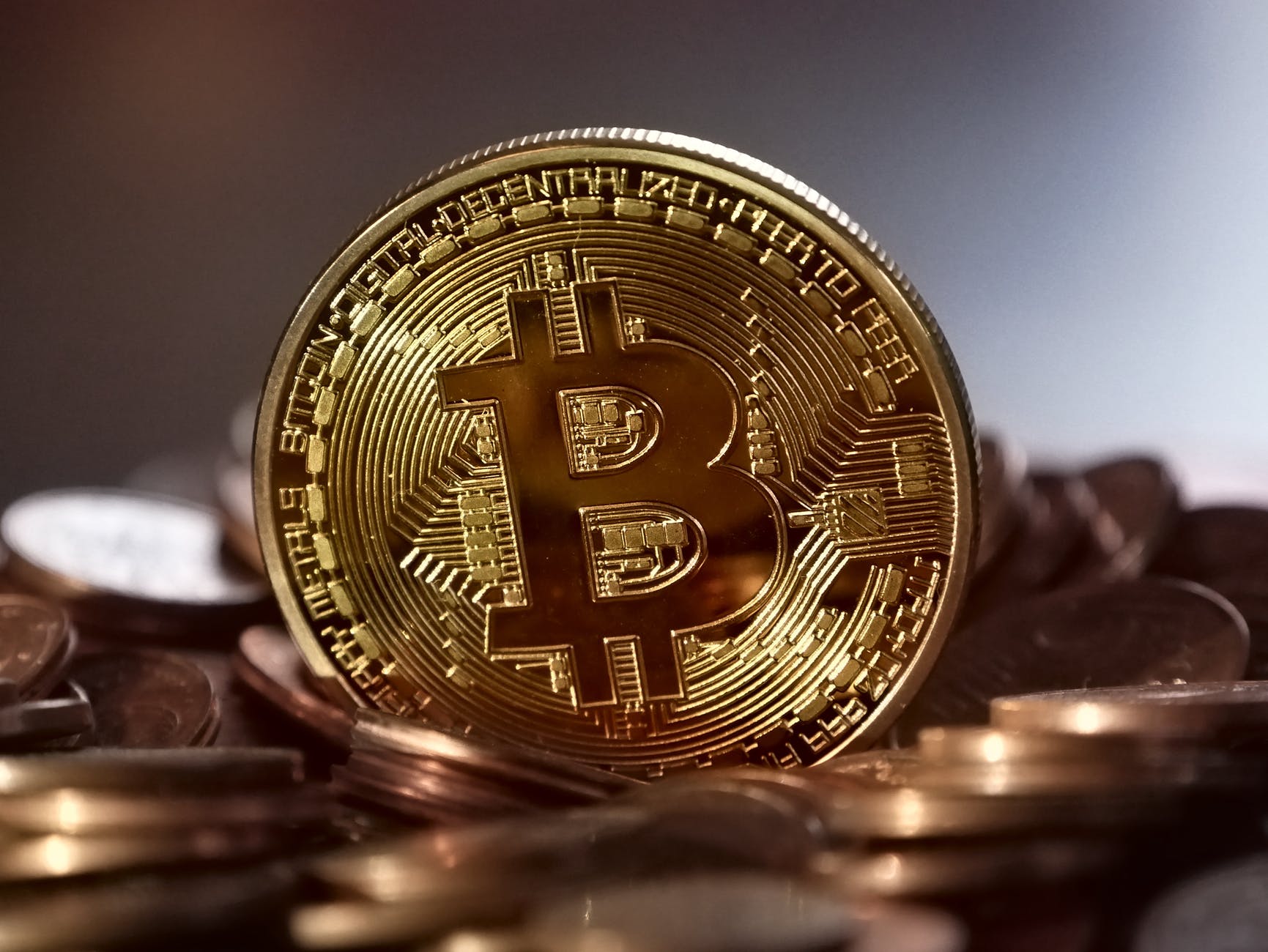
Bitcoin is a cryptocurrency. What make this digital currency (you can’t touch or see it physically) unique? It is a decentralized digital currency without a central entity such as a Central bank, Government or single person that governs the network.
The Bitcoin network allows users to transfer the digital currency peer-to-peer via the bitcoin network without the need for any forms of intermediaries. With mainstream adoption, bitcoin can now be exchanged for other currencies, products, and services easily (Well, easier than yesteryears but we still have a long long way to go).
So is Bitcoin a scam?
Bitcoin in itself is NOT a scam. It is NOT illegal to own bitcoin here in Singapore. However, due to its decentralized nature and it being free of any authority’s control, many scammers have abused the technology to scam victims off their hard earned money.
An example of such scam? Scammers would contact you about a “high yield investment program” that requires you to buy Bitcoin and send to them so they would “trade” for you for attractive returns. And as you guessed it, once you send over your bitcoin, you will never ever get it back as the transaction can never be reversed.
What should users do to avoid getting scammed?
- Knowledge is power. Learn about Bitcoin and what this form of technology represent
- Always store your bitcoin in your own cold hardware wallet
- Never send your Bitcoin to untrusted sources. You will never be able to reverse the transaction and the receiver will remain anonymous even though you know their bitcoin address.
- Keep the private keys of your bitcoin only to yourself. Never tell anyone that you can’t trust your private keys. Once a person know your private keys, he can withdraw all the bitcoins that are stored in your wallet, and he can do so anywhere in the world!
- Rule of thumb, treat your Bitcoin like how you would treat your physical money. If you wouldn’t give random people your money, you shouldn’t randomly send bitcoin out as well.
Stay safe guys.
Travel the world, sats by sats.
 StackingSats.Blog